What is the purchase price?
Compare current offers on trucks with similar cabs, equipment and intended use. Review taxes, fees and available incentives separately.



A full-size pickup has to earn its place in your life long after the first drive. If you are shopping near Greensburg, compare what each truck can do for your routine now and what it may cost to own over time. The 2026 Toyota Tundra is one option to explore alongside other pickups that fit your work, passengers and budget.
This page brings those questions together. Look at the Tundra's available configurations, compare actual vehicles and learn how to read a resale estimate. A future trade-in amount depends on the vehicle, its condition and the market when you sell it. Use current, vehicle-specific information whenever you make a purchase decision.
Start with the configuration you would actually drive. Trucks can differ in cab, bed, drivetrain, powertrain and equipment, and those choices can change both the purchase price and the way a vehicle serves you each day. Read the window sticker and the applicable vehicle rating before comparing another pickup with the Tundra on your shortlist.
Consider the complete cost of the trucks you are comparing. Ask for current written prices, check insurance and service costs that apply to your use, and request an appraisal if you have a vehicle to trade. Published resale studies can be useful background when their dates and methods are clear, but they do not predict an individual offer. A test drive and a close look at the exact vehicles will help put those numbers in context.
Resale value estimates what someone may pay for a vehicle after ownership. It matters because the amount left at trade-in can help fund your next truck. No model-wide percentage describes every vehicle with the same badge: mileage, maintenance, accident history, equipment, local demand and the date of the offer all affect an individual result.
Trade-in value, private-party value and a dealer's retail asking price answer different questions. Comparing one truck's trade-in estimate with another's retail price can make a misleading comparison. When reading a published study, check its model year, date, mileage, condition, location and definition of value. Those details help you understand what the result measures and whether it applies to your decision.
Before choosing a pickup, think about passenger space, bed length and the trailer you may tow. The truck that handles those jobs can deliver value throughout ownership. A later resale estimate belongs in that wider conversation with capability, comfort, service and the actual price of the vehicle you choose.
A useful truck comparison connects the price you pay, the work the vehicle does and the costs you expect while you own it. Future resale value is one consideration, and any estimate should be read with its date and assumptions.
Use these questions for the Tundra and every other full-size pickup on your shortlist. Keep the comparison tied to actual vehicles and current written information, so each answer helps with the same purchase decision.
Compare current offers on trucks with similar cabs, equipment and intended use. Review taxes, fees and available incentives separately.
Check the rating and equipment of each exact vehicle. Bring the loaded weight of any trailer you plan to tow.
Consider fuel, insurance, maintenance and coverage that apply to your driving. A lower starting price may tell only part of the story.
Request a current appraisal for the vehicle you own. A future resale estimate is not a guaranteed offer on a specific truck.
A model name can cover trucks with different cabs, engines, equipment and prices. Compare vehicles that fit the same job, and identify the year, grade and configuration behind each specification. This makes the differences more useful than a broad ranking that mixes unlike vehicles.
A published resale study describes a group of vehicles under its own rules. It cannot tell you what an individual truck will be worth on a future date. Check when the study was made and what type of value it reports. For a purchase, use today's written price and the equipment on the exact vehicles you can inspect and drive.
An appraisal considers the vehicle you actually own, including its mileage, condition, equipment and history. If trade-in value matters to your next purchase, bring the VIN and available records. Our Greensburg team can help you review a current offer alongside the trucks you are considering.
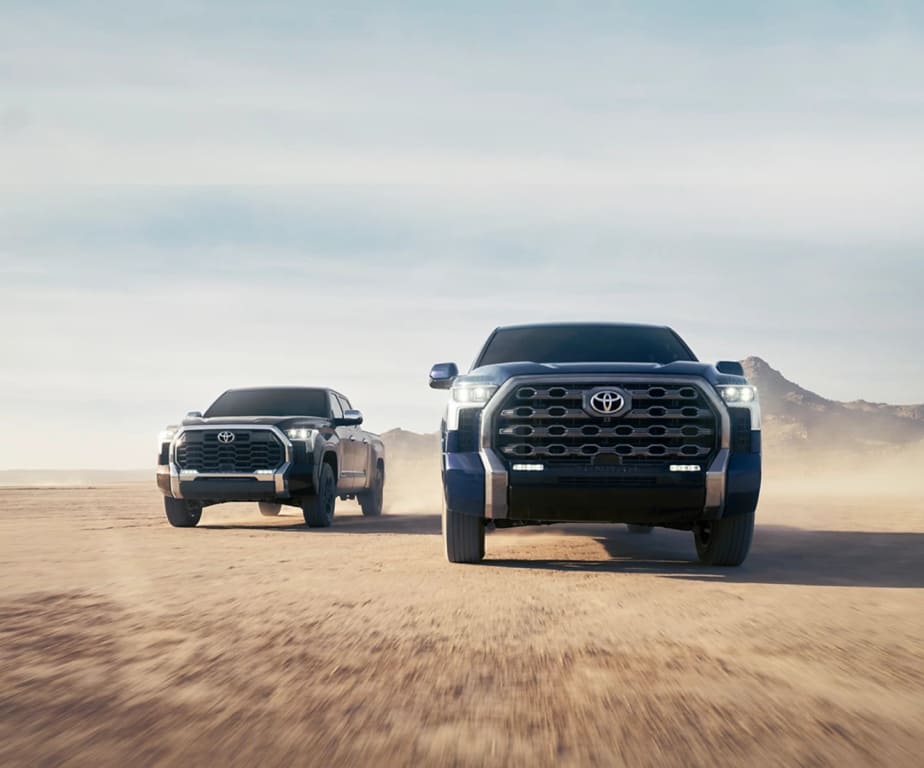
Review the powertrain listed on each available Tundra and think about how you will use the truck. A daily commute, frequent hauling and regular towing can lead to different priorities. Compare the cab, drivetrain, bed and equipment on the actual vehicles, then take a drive that reflects your route.
Published capability figures can depend on configuration. Before planning a tow, ask for the rating of the specific truck and check the applicable owner information. Bring the loaded weight of your trailer and consider passengers and cargo as part of the conversation. A feature matters most when it solves a task you face regularly.
A broad grid can place one truck's highest rating beside another's standard equipment. That creates a neat row and a confusing shopping decision. When considering a Tundra against an F-150, Ram 1500, Silverado or Sierra, use similar body styles and verify the exact equipment and ratings on each vehicle. Our team can help you compare trucks available near Greensburg.
Use this guide with a Tundra and a competing full-size pickup that meet the same need. It keeps purchase price, capability, everyday fit and a current trade-in offer in separate conversations. Fill in each answer from the vehicle's window sticker, applicable rating information, a written quote or an in-person appraisal. That gives you a more useful comparison than a single model-wide resale percentage.
| Decision point | Your Tundra | Another truck | What to verify |
|---|---|---|---|
| Price | Request the current price for the exact vehicle. | Get a written quote for a comparable configuration. | Equipment, incentives, taxes and fees. |
| Towing and hauling | Check the rating for the selected truck. | Check the rating for the selected truck. | Configuration, trailer weight, passengers and cargo. |
| Everyday fit | Test the cab, bed, visibility and controls. | Repeat the same checks in person. | Your route, passengers and regular loads. |
| Equipment | Confirm features on the window sticker. | Confirm features on the window sticker. | Installed equipment and available options. |
| Ownership costs | Estimate costs for your driving and coverage. | Use the same assumptions for a second estimate. | Insurance, fuel, service and written terms. |
| Your trade | Ask for a current offer on the vehicle you own. | Consider the same trade with the other purchase. | VIN, mileage, condition and appraisal date. |
Compare current offers and vehicle-specific information. Future resale estimates are not guaranteed trade-in offers.
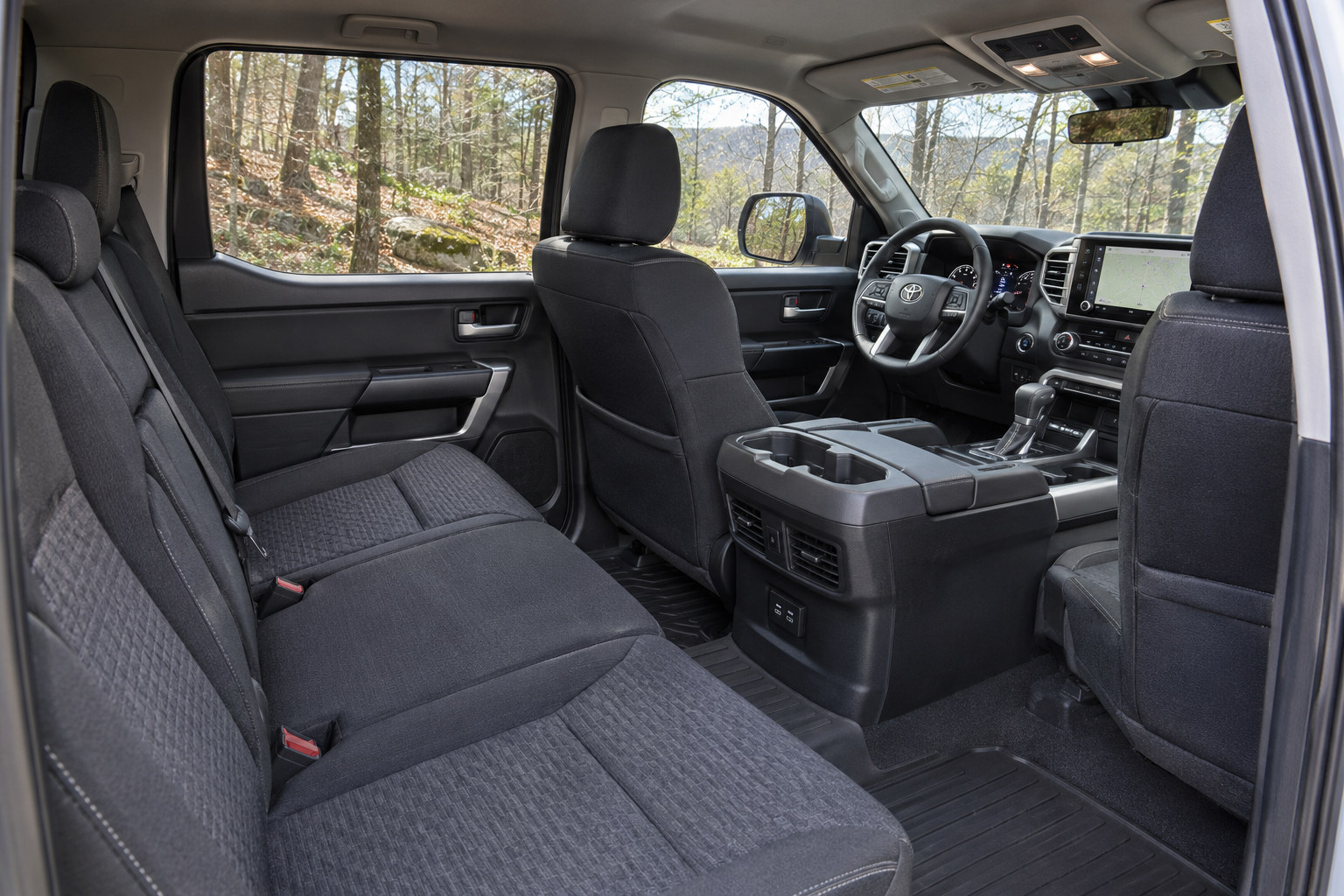
A specification sheet cannot show how a truck feels on a school run, in a parking structure or after a long shift. Sit in a Tundra and check seating, passenger access, storage and sight lines. Grades and available comfort features change the experience. Choose equipment you will use during your own routine. Bring the people who usually ride with you. Check rear-seat access, where bags or work gear will go, and whether you can adjust the seating for a comfortable view. Those small details matter on an ordinary Tuesday, not just on a long trip.
Available multimedia screens, a digital gauge cluster and camera features can make information easier to reach. Their availability depends on grade and options. Before deciding, pair your phone, try familiar controls and request a demonstration of the driver-assistance features on that particular truck. Technology is easier to value when you know how it works on your drive. If a feature catches your eye, confirm it on the exact truck's window sticker. Try its menus while parked and ask how to adjust settings you may use every day.
Two Tundra listings may differ in bed length, drivetrain, packages and price. Compare window stickers and equipment side by side, then drive a configuration that fits your household and workload. Apply the same discipline to a competing pickup that looks attractive on paper: test its actual cabin and confirm what is included.
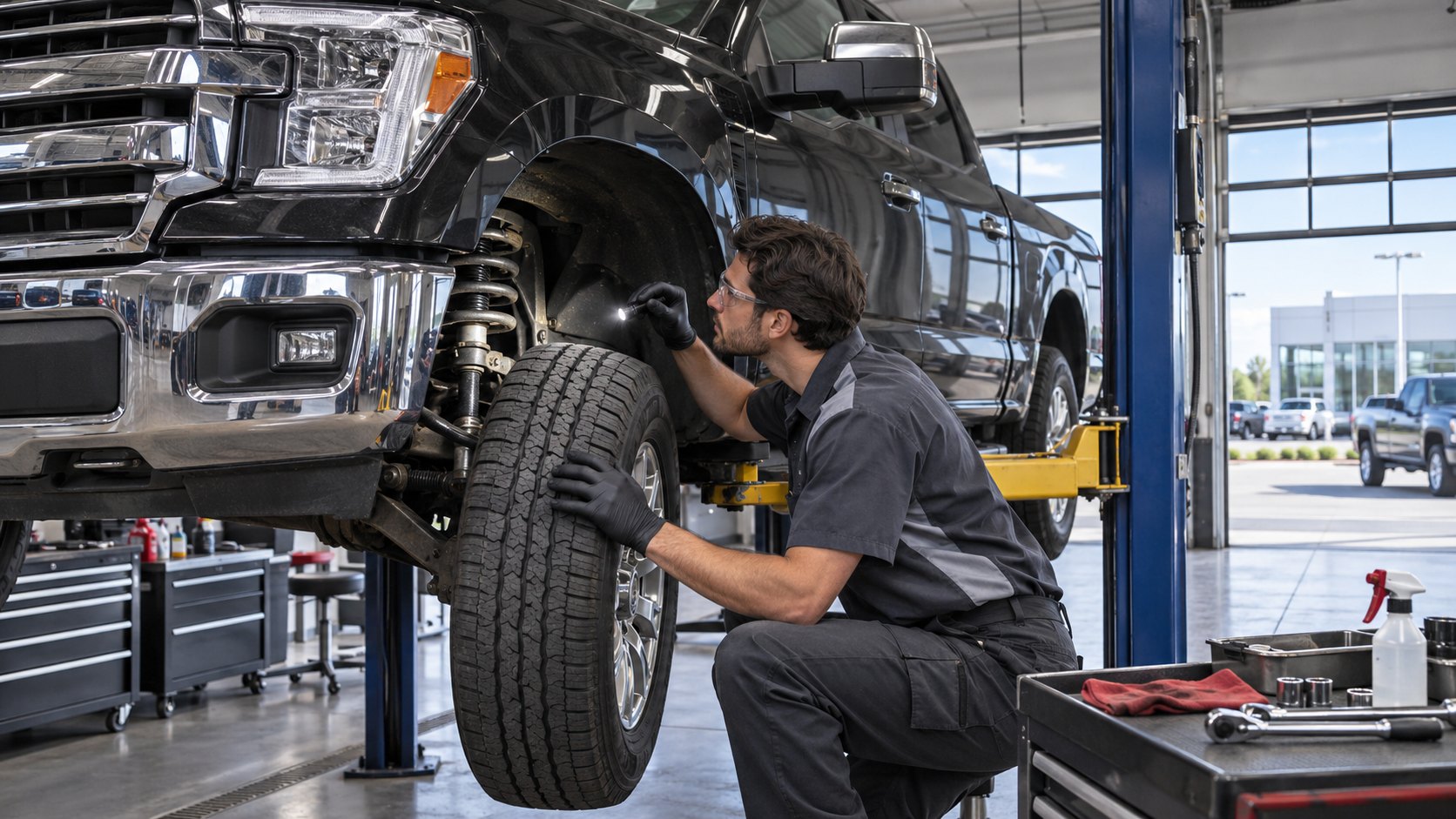
Published values use stated assumptions about mileage, condition, equipment and location. Your truck has its own history. Tires, body condition, accident records, accessories and local demand can influence an offer. A real appraisal is specific to the vehicle and date, so start with a current assessment when you are planning a trade.
Maintenance records help describe a truck when it is time to sell or trade. They also help you plan ownership between now and then. Ask about the service schedule, applicable coverage and any work needed under your driving conditions. Good care matters to the vehicle throughout ownership, regardless of a model-wide estimate.
If you have a trade, bring its VIN, mileage, condition details and available records to Jim Shorkey Toyota of Greensburg. Our team can assess the actual vehicle and discuss a current offer alongside your next purchase. That gives you information tied to your own truck instead of a model-wide guess.
No. It describes a dated set of vehicles under stated assumptions. Your offer will depend on the actual truck, its history and the market at that time.
They may use different model years, trims, locations, mileage, condition or definitions of value. Always check the source date and calculation before comparing percentages.
Yes. Bring the exact listings or window stickers. Compare equipment and ratings first, then request current vehicle-specific values when trade-in matters to your decision.
Start with the current price of each exact vehicle. Add costs that apply to your driving, such as fuel, insurance, service and financing. Use the same time period and assumptions for every truck. A future resale estimate can offer context, but it cannot guarantee what you will receive later.
Bring the exact listings or window stickers for trucks on your shortlist, plus the weight of any trailer you expect to tow. If you have a trade, note its VIN, mileage, equipment, service history and condition. That gives the team enough detail to compare real configurations and discuss a current appraisal.
Begin with the 2026 Tundra inventory at Jim Shorkey Toyota of Greensburg. Compare the cab, bed length, drivetrain, powertrain and equipment listed for each actual truck. A model-wide specification can help you narrow the field, but the window sticker tells you what comes on the one you can drive home. If you regularly tow, bring the loaded weight of your trailer and ask our team to check the rating of the specific vehicle.
Then schedule a drive that reflects your routine. Bring a passenger, try the visibility from the driver's seat, test the controls you use most and see how the truck handles your familiar roads. If you are comparing another full-size pickup, use similar configurations and make notes about what changes in comfort, useful equipment and price. A short side-by-side visit can answer questions a chart cannot.
If you have a trade, arrive with its VIN, mileage, condition details and service records. A current appraisal can give you a practical number for the transaction you are considering. Review that offer alongside the price of your selected Tundra and the other costs you expect during ownership. Our Greensburg team can help you work through the details and arrange a test drive when you are ready.